 Ir a contenido


The True Cost of E-Books: Are We Really Saving the Planet, or Just Shifting the Burden?
For years, we’ve been sold the dream: e-books are the future. They're sleek. They're instant. They’re “eco-friendly.” But hold on—are they really? Or have we fallen into yet another digital illusion that’s not as green as it claims to be?
Let’s get one thing straight: this isn’t an anti-technology rant. E-books have their place. They save space, they’re accessible and yes, they can reduce certain types of waste. But when people throw around the word eco friendly without stopping to question what that actually means, we start slipping into dangerous territory.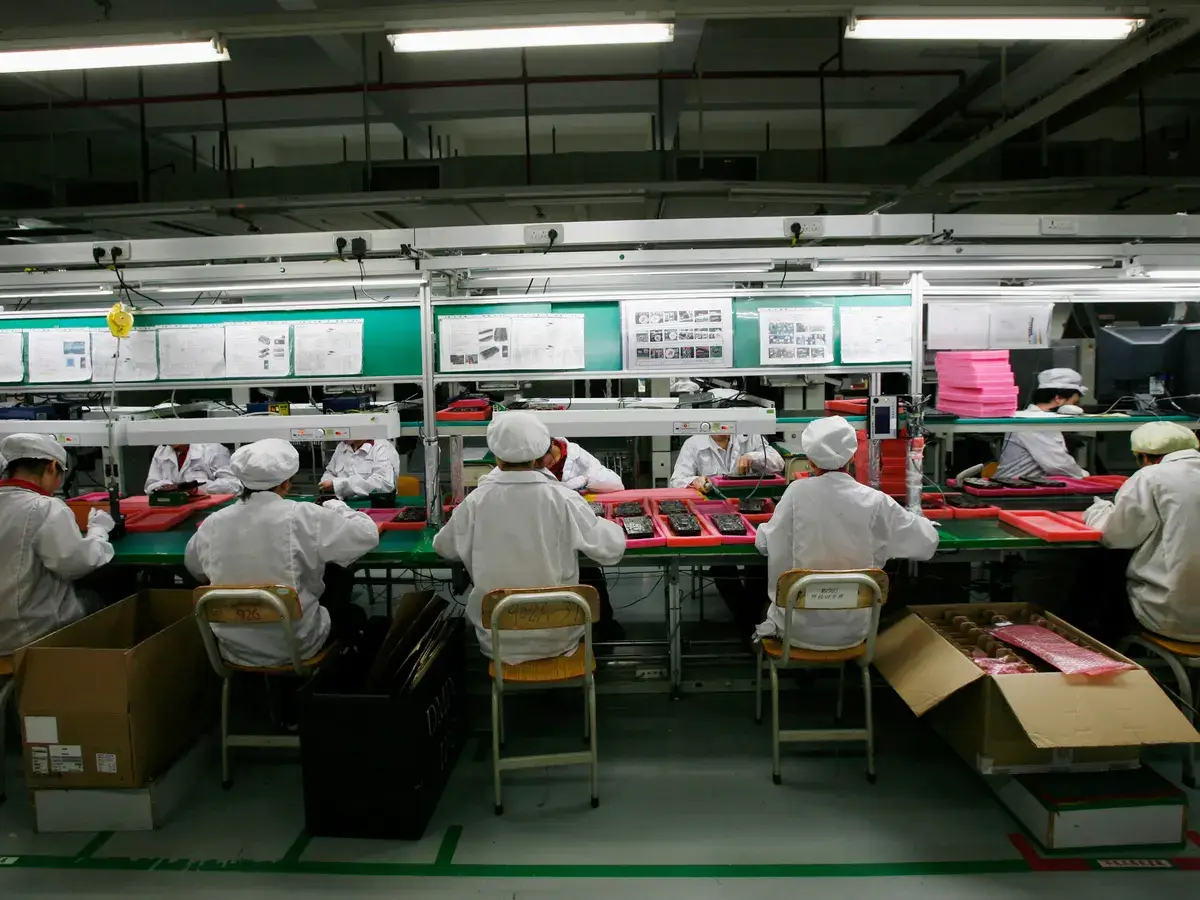
The Hidden Footprint of Digital Reading
Every time you download an e-book, you’re using energy—not just from your device, but from massive data centers running 24/7 around the globe. These server farms consume obscene amounts of electricity, much of it still powered by fossil fuels. Your e-reader or tablet? It took raw materials, rare earth metals and a long manufacturing process to land in your hands. And when it breaks? Straight into landfill or an inefficient recycling system.
Compare that to second hand books—tangible, already existing, passed from hand to hand. No extra electricity, no rare earth mining, no battery replacements. Just a story that lives on, without leaving a digital trail of carbon emissions.

E-Books: Convenience Over Consciousness?
We’re living in a culture of speed. One-click downloads, swipes instead of pages, binge-reading like binge-watching. It’s not about books for sale anymore—it’s about books for now. The digital shift has tricked us into thinking we’re making better, cleaner choices, but convenience isn’t the same as sustainability.
If you’re truly looking for eco friendly products, your e-reader shouldn’t be your first stop. Instead, consider this radical idea: go analog. Go old school. Go local. Dust off your shelves, or better yet—support your community.
![]()

![]()
![]()
Why Secondhand Books Are the Most Sustainable Option
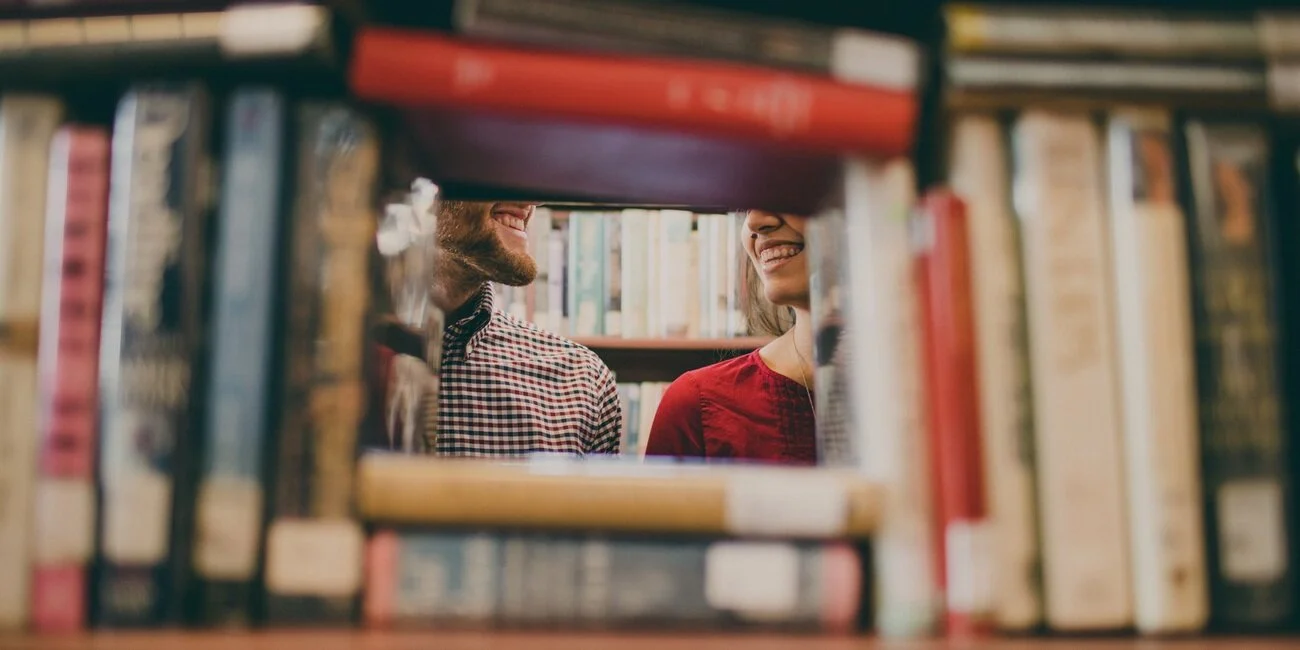
Secondhand books are not just eco friendly, they’re revolutionary. Each time you buy a preloved book, you’re refusing to contribute to unnecessary new production. You’re saving a book from being pulped, from gathering dust or worse—being tossed into the bin.
And let’s be honest—there’s something intimate about a book that’s lived before. Notes in the margins, a creased page that meant something to someone else… secondhand books come with soul.
Looking for a bookstore Abu Dhabi loves or the best book deals online? Or the best online website to buy books that won’t cost the earth—literally? Choose platforms that champion reuse over production. You’ll find incredible titles, sometimes rare gems, all without the environmental price tag.
Searching for a book store near me or a book shop near me? Skip the big chains. Find the quirky little spots, the preloved corners, the bookworms behind the counter who care more about story than sales quotas.
The Real Green Choice
The future of reading doesn’t have to be digital. It has to be mindful.
So the next time someone tells you they’ve gone “green” by switching to e-books, ask them what they’ve done with their old Kindle. Ask them about the energy behind their downloads. Ask them if they’ve ever held a book that’s passed through ten hands, and felt the magic of its journey.
Books at Bookends are more than words on a screen. They are experiences, artifacts, connections. And when we talk about sustainability, second hand books might just be the most powerful, quiet rebellion we can take part in.